
Compare Cameras
Canon R8 vs Nikon Z5 II vs Sony A7C II
This is the entry-into-full-frame comparison for buyers deciding between the Canon R8, Nikon Z5 II, and Sony A7C II. All three get you a full-frame sensor without stepping up to the pricier hybrid tier, but they make very different tradeoffs on stabilization, size, and autofocus. Use it to figure out which compromise fits how you actually shoot.
Use the pricing context and buyer-focused differences below to see which choice makes the most sense for how you shop and what you care about.
It is currently at its best recent tracked price of $2,100.
If you are comparing Canon R8 vs Nikon Z5 II vs Sony A7C II, the real question is which entry full-frame body matches your priorities. The Canon R8 is the lightest and cheapest way in, sharing the Canon R6 Mark II's sensor and autofocus but dropping in-body stabilization and a second card slot. The Nikon Z5 II brings flagship-derived autofocus, in-body stabilization, and dual card slots at a value price. The Sony A7C II packs a higher-resolution 33MP sensor and AI autofocus into the most compact body of the three. Check the live prices and BuyPointer signals below before deciding.
Which Entry Full-Frame Camera Should You Buy?
Start with the tradeoff you care about most, then check the live value signal.
Canon R8 Body
Best if low cost and light weight matter most, and you can live without in-body stabilization and a backup card slot.
View DealNikon Z5 II Body
Best all-round value if you want in-body stabilization, dual card slots, and modern autofocus without paying the hybrid-tier price.
View DealSony A7C II Body
Best if you want the highest resolution and the most compact body, and Sony's lens lineup and AI autofocus are the draw.
View DealWhat You’ll Actually Notice
- The Nikon Z5 II is the only one of the three with in-body stabilization plus dual card slots, which is why it reads as the safest all-round value pick.
- The Canon R8 trades away IBIS and a second slot for the lowest weight and price, so it leans toward travel and run-and-gun shooters who use stabilized lenses.
- The Sony A7C II's 33MP sensor gives more cropping room than the 24MP Canon and Nikon, in a noticeably smaller body, but it keeps a single card slot.
- All three shoot 4K60, so for most buyers the decision is stabilization, size, and which lens system you want to grow into rather than headline video specs.
Which Model Makes More Sense For You?
Use these quick summaries to narrow the choice before you dive into product pages.
Choose Canon R8 Body if:
- you want the lightest, lowest-cost way into full-frame
- you mostly use stabilized lenses and do not need a backup card slot
- you want roughly 24.2MP resolution
- video capability like 4k60
Choose Nikon Z5 II Body if:
- you want in-body stabilization and dual card slots at a value price
- you want flagship-derived autofocus without stepping up a tier
- you want roughly 24.5MP resolution
- video capability like 4k60
Choose Sony A7C II Body if:
- you want the highest resolution here in the most compact body
- you want Sony's AI autofocus and E-mount lens selection
- you want roughly 33MP resolution
- video capability like 4k60
Quick Spec Comparison
Side-by-side core specs for the cameras in this matchup.
| Camera | Megapixels | Video | Sensor | IBIS | Launch Price |
|---|---|---|---|---|---|
| Canon R8 Body | 24.2 | 4k60 | full-frame | no | $1,499 |
| Nikon Z5 II Body | 24.5 | 4k60 | full-frame | yes | $1,699 |
| Sony A7C II Body | 33 | 4k60 | full-frame cmos | yes | $2,199 |
Current Prices
Compare current tracked pricing and BuyPointer signals before you click through.
| camera | Current Price | BuyPointer Signal | Deal |
|---|---|---|---|
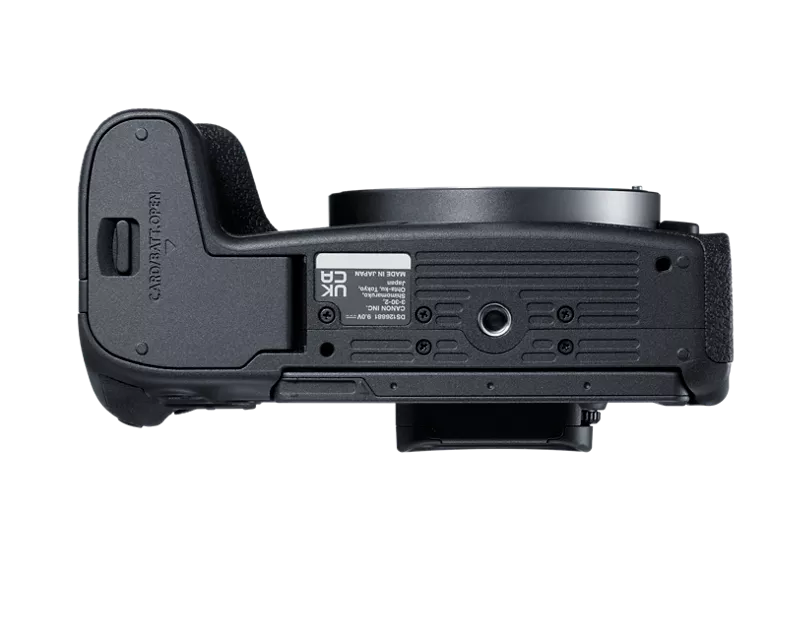
Canon R8 Body
Last updated: Sep 05, 2026
|
$1,349 | Fair Price | View Deal Reasonable price, but not a standout deal |
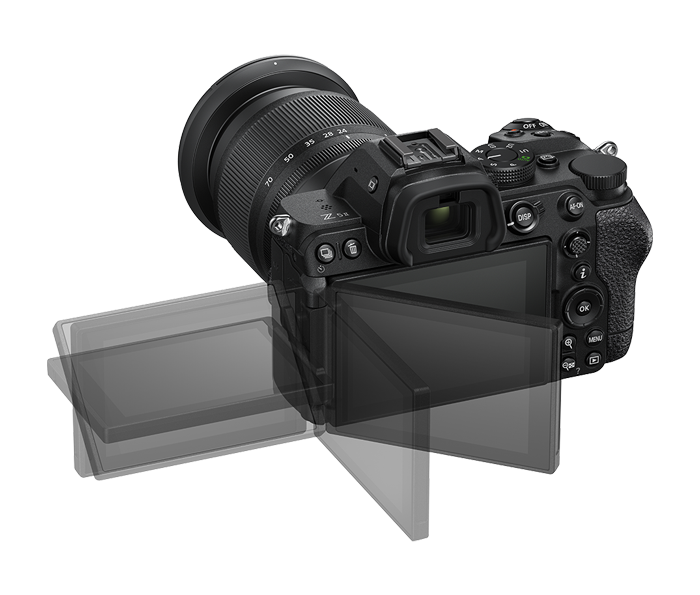
Nikon Z5 II Body
Last updated: Sep 05, 2026
|
$1,700 | Wait | View Deal Wait — above typical recent price |
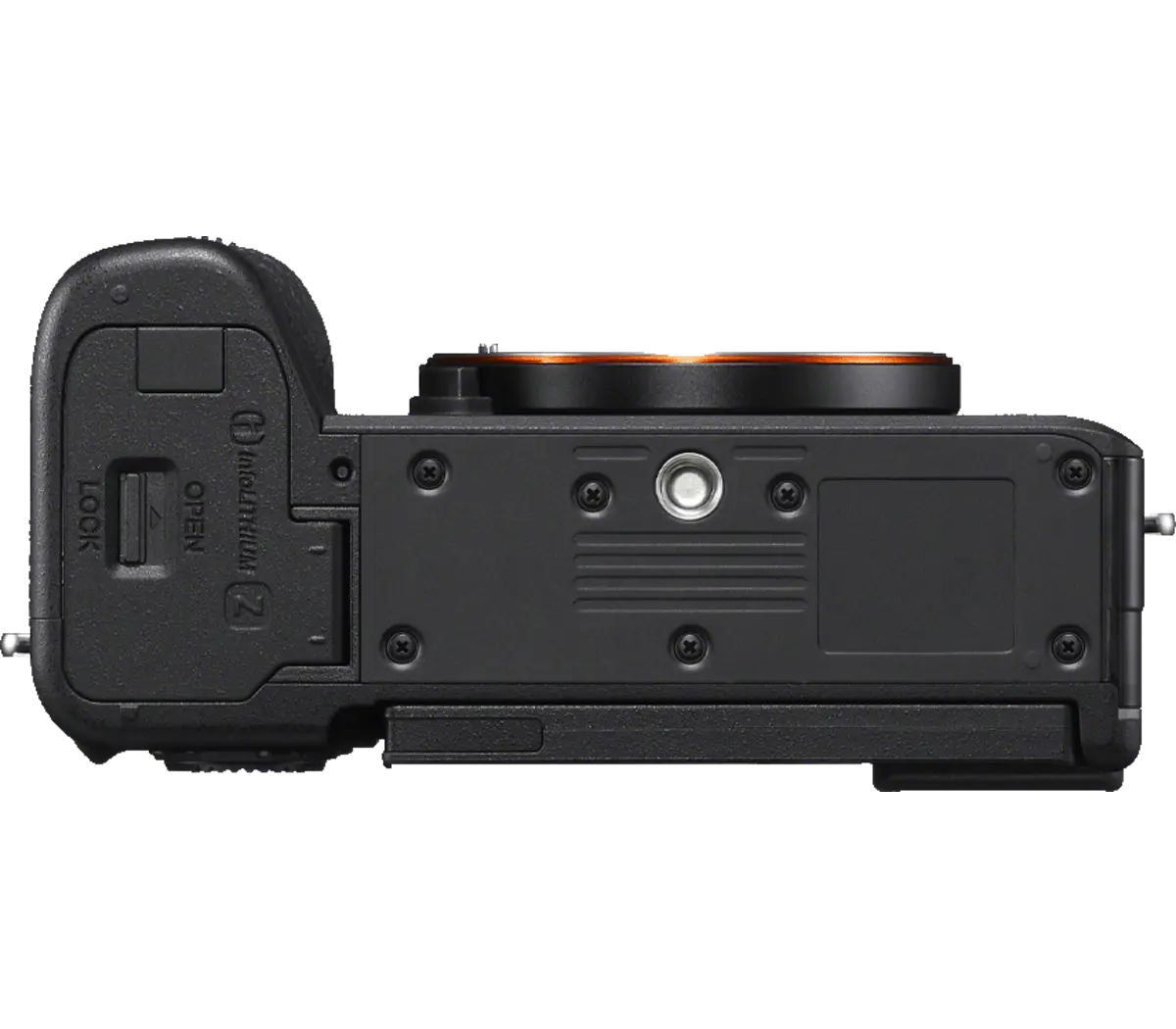
Sony A7C II Body
Last updated: Sep 05, 2026
|
$2,100 | Buy | View Deal Good value right now |
Recent Price Direction
A compact view of recent pricing so you can quickly spot stable, rising, or falling movement.
| camera | Direction | Current | Best Recent |
|---|---|---|---|
| Canon R8 Body | $1,349 | $1,299 | |
| Nikon Z5 II Body | $1,700 | $1,600 | |
| Sony A7C II Body | $2,100 | $2,100 |
Best Value Summary
This is a priorities decision, not a single-winner matchup.
The Nikon Z5 II is the easiest all-round recommendation because it combines in-body stabilization, dual card slots, and modern autofocus at a value price. The Canon R8 is the pick when low cost and light weight matter more than IBIS or a backup slot, especially if you already shoot stabilized lenses. The Sony A7C II makes the most sense when you want the extra resolution and the smallest body, and Sony's lens system is the draw. Check the live BuyPointer signals below, since current pricing can tip a close call. If you are ready to step up to the mid-tier hybrid bodies, use the modern full-frame comparison instead.
Shop Current Deals
Jump into the full product pages for current pricing detail and buy reasoning on these cameras.
Ready to step up a tier? If you can stretch to the mid-tier hybrid bodies, compare the modern full-frame matchup: Sony A7 IV vs Canon R6 Mark II vs Nikon Z6 III.
Frequently Asked Questions
Which of these is the best entry full-frame camera?
It depends on your priority. The Nikon Z5 II is the most complete all-round value with in-body stabilization and dual card slots, the Canon R8 is the lightest and cheapest way in, and the Sony A7C II offers the highest resolution in the smallest body. Check the live BuyPointer signals above for current value.
Do these cameras have in-body image stabilization?
The Nikon Z5 II and Sony A7C II have in-body image stabilization (IBIS). The Canon R8 does not, so it relies on stabilized lenses for handheld stills and video.
Which has the best video for the price?
All three shoot 4K60. The Canon R8 offers uncropped full-frame 4K60 but no IBIS, while the Nikon Z5 II and Sony A7C II add in-body stabilization for steadier handheld footage.
Should I buy now or wait?
All three are current models with no imminent replacements, so timing is mostly about price. Use the BuyPointer buy or wait signal on each camera's product page to decide.
Need more buying context first? Full-frame vs APS-C and What camera specs actually matter.
Want more context before you decide? Browse Cameras learning content.